
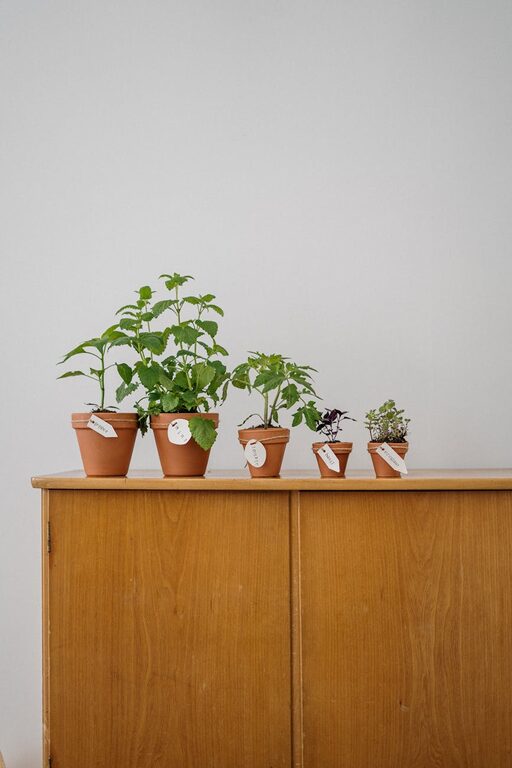
Starting a small herb garden indoors is a rewarding way to bring fresh flavors into your cooking and add a touch of greenery to your home. Whether you have a sunny windowsill or a small corner of your kitchen, growing herbs indoors is possible with a bit of planning and care. This guide will walk you through everything you need to know to create your own thriving indoor herb garden.
Why Grow Herbs Indoors?
Growing herbs indoors offers several benefits:
– Freshness: Harvest herbs whenever you need them, ensuring maximum flavor.
– Convenience: No need to step outside; herbs are right at your fingertips.
– Year-round gardening: Enjoy herbs even in winter or if you don’t have outdoor space.
– Low maintenance: Herbs generally require less attention than many other plants.
– Decorative: Herbs add natural beauty and a pleasant aroma to your living space.
Choosing the Right Herbs for Indoor Growing
Some herbs are better suited for indoor gardening than others. When choosing what to grow, consider your climate, light availability, and cooking preferences. Here are some popular and beginner-friendly options:
– Basil: Loves warm, sunny spots and needs regular watering.
– Parsley: Can tolerate moderate light and grows well in pots.
– Chives: Easy to grow and needs moderate sunlight.
– Mint: Very hardy and grows quickly but can spread, so keep it contained.
– Thyme: Prefers bright light and well-drained soil.
– Cilantro: Grows best in cooler spots with good light.
Selecting Containers for Your Herb Garden
Choosing the right container is important for healthy herbs. Consider these tips:
– Size: Use pots that are at least 4 to 6 inches deep to accommodate roots.
– Drainage: Ensure pots have drainage holes to prevent waterlogging.
– Material: Terracotta pots are breathable and popular, but plastic or ceramic works fine too.
– Tray or saucer: Place one under your pots to catch excess water and protect surfaces.
You can also use creative containers like repurposed jars, mugs, or small wooden planters to make your garden unique.
Soil and Planting Tips
Herbs prefer well-draining, nutrient-rich soil. Follow these steps:
- Use a high-quality potting mix formulated for indoor plants. Avoid garden soil since it may be too dense.
- Fill your containers leaving about an inch of space at the top.
- If planting from seeds, follow seed packet instructions for depth and spacing. Keep the soil moist but not soaked.
- For starter plants, gently loosen the roots before planting to encourage growth.
- After planting, water lightly to settle the soil.
Providing Adequate Light
Light is crucial for herbs to grow well indoors. Most herbs require 6 to 8 hours of light per day. Here’s how to manage lighting:
– Choose a south- or west-facing window for the best natural light.
– If natural light is limited, consider using grow lights. LED grow lights are energy efficient and simulative of sunlight.
– Rotate the pots every few days to promote even growth.
Watering and Feeding Your Herbs
Proper watering and feeding are key to thriving herbs:
– Watering: Check soil moisture daily by sticking your finger about an inch into the soil. Water when the top soil feels dry.
– Avoid overwatering which can cause root rot.
– Feeding: Use a balanced liquid fertilizer every 3-4 weeks during the growing season. Dilute to half strength to avoid overfeeding.
Controlling Temperature and Humidity
Most herbs thrive in temperatures between 65°F and 75°F (18°C to 24°C). Avoid placing herbs near drafts, heating vents, or air conditioners. To maintain humidity:
– Group plants together to create a microenvironment.
– Mist the leaves occasionally, especially in dry indoor air.
Pruning and Harvesting Your Herbs
Regular pruning encourages bushier growth and prevents flowering, which can make herbs bitter.
– Harvest herbs by pinching off leaves or stems just above a leaf node.
– Never remove more than one-third of the plant at a time.
– Use fresh herbs promptly or dry/free them for later use.
Common Challenges and How to Solve Them
– Leggy plants: Often caused by insufficient light. Move plants to a brighter spot or add grow lights.
– Yellowing leaves: May indicate overwatering. Check drainage and adjust watering schedule.
– Pests: Indoor herbs occasionally attract pests like aphids or spider mites. Wipe leaves with mild soapy water or use natural insecticidal soap.
Final Tips for Success
– Start small to avoid feeling overwhelmed.
– Label your pots if growing multiple herbs.
– Keep a gardening journal to track watering and growth patterns.
– Experiment with different herbs to find your favorites.
Growing a small indoor herb garden is both fun and practical. With patience and attention, you’ll soon enjoy fresh herbs all year long, right from your kitchen. Happy gardening!