
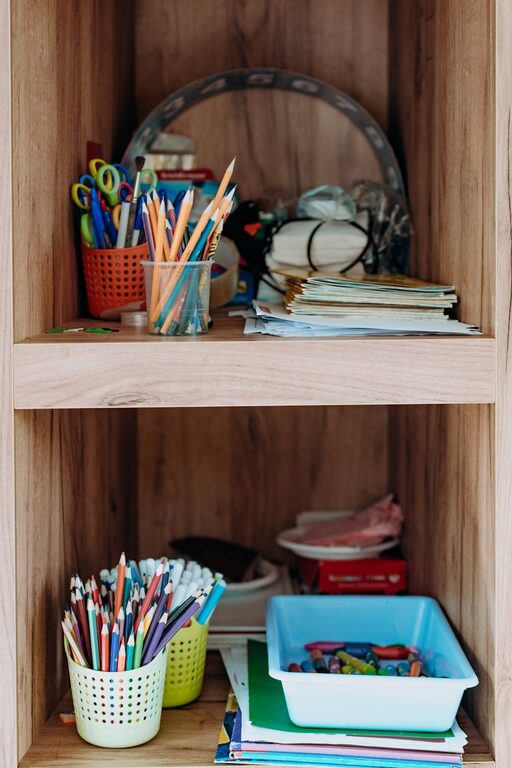
Children’s artwork is a wonderful way to see their creativity and growth over time. However, as your kids bring home painting, drawings, and craft projects, it can quickly become overwhelming to keep it all organized. Without a system, papers may pile up, and precious pieces get lost or damaged. Fortunately, there are many easy methods to help you store and display your children’s art in a way that honors their effort while keeping your space tidy.
In this post, we’ll share practical tips and ideas to organize your kids’ artwork, from sorting and storage solutions to creative display options.
Why Organizing Kids’ Art Matters
Keeping kids’ art organized is about more than just tidiness. It helps:
– Preserve memories and milestones.
– Show your child you value their creativity.
– Avoid clutter and mess in your home.
– Make it easier to find specific pieces or create photo books later.
Step 1: Set Up a Dedicated Art Space
Having a designated spot for art helps contain the mess and provides a central place to collect new items.
– Use a basket or bin close to where your child creates art.
– Label folders or trays for completed projects.
– Consider a small filing cabinet or drawer near their craft area.
Step 2: Sort Art into Categories
Sorting artwork regularly prevents pileups and makes it easier to decide what to keep.
Here are some sorting ideas:
– By age or school year: This allows you to track growth over time.
– By type of art: Drawings, paintings, crafts, or 3D projects.
– By child: If you have more than one artist at home.
After sorting, decide which pieces to keep, which to photograph and recycle, and which can be gifted.
Step 3: Use Storage Solutions That Work
There’s a wide variety of storage options depending on your space and budget:
Flat Storage
– Large portfolio folders or artist’s scrapbooks keep flat artwork safe and organized.
– Use large binders with plastic sleeves for smaller drawings.
– Flat storage boxes can slide under beds or be stacked on shelves.
Vertical Storage
– Hanging file organizers or wall-mounted display racks work well for easy access.
– Clipboards arranged in a grid on the wall let you rotate artwork regularly.
Digital Storage
– Photograph or scan artwork and keep it organized in digital folders.
– Apps designed for kids’ art organization allow you to create digital galleries or photo books.
– This method saves physical space and lets you share art easily with family.
Step 4: Display Art Creatively
Showcasing your child’s art makes them feel proud and turns your home into a lively, colorful space.
Ideas for art display:
– Gallery Wall: Frame select pieces and arrange them on a wall or hallway.
– String Display: Hang a string or wire across a room and use clothespins to clip artwork.
– Rotating Frames: Special frames open easily to swap new artwork in and out.
– Digital Frame: Upload digital photos of art to a digital photo frame that cycles through the images.
Step 5: Create Art Books or Portfolios
To preserve artwork long term and reduce clutter:
– Compile favorite pieces into a scrapbook or photo book each year.
– Use print-on-demand services to create professional-looking art books.
– Have your child help select and narrate the pieces to make it a fun project.
Step 6: Establish a Routine
Make organizing kids’ artwork part of a regular routine:
– Schedule a monthly “art review” with your child to decide what to keep and store.
– Encourage your child to choose their favorite pieces for display and archive.
– This habit teaches decision-making and respect for their own work.
Bonus Tips for Special Projects
– For bulky or 3D crafts, take photos to preserve memories without the space demand.
– Use labeled bins or boxes for seasonal or holiday-themed art to rotate throughout the year.
– Consider gifting artwork to family members or using it for homemade cards.
Conclusion
Organizing your kids’ artwork doesn’t have to be stressful or complicated. With some clever sorting, smart storage, and creative displays, you can celebrate their artistic journey while keeping your home neat and inviting. Remember, the goal is to cherish and appreciate their creativity in a way that works best for your family.
By setting up systems and involving your child, managing their artwork becomes a joyful part of your family routine—one that captures memories you’ll all treasure for years to come. Happy organizing!